

Get ready
The month of June will soon begin, so let’s take a brief look at what care is needed for your garden in that nice month. Do not forget that you have your professional gardener, to whom you can always turn for proper advice, care, and maintenance of your garden.
Grass areas
As different types of weeds inevitably appear in green areas, wheat weeds become part of the grass carpet when mowed regularly. When it comes to using herbicides, they can be used to control deciduous weeds.
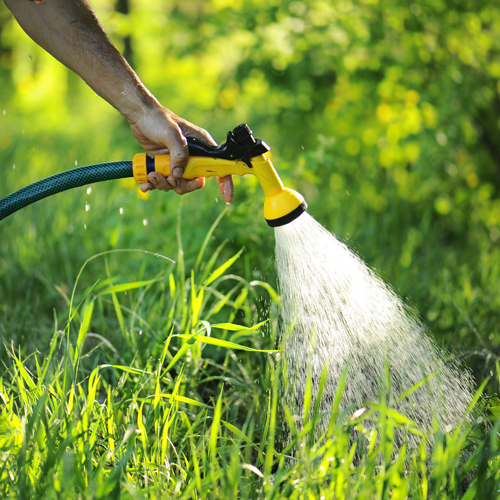
In June, the lawns are mowed once a week. The height of the grass should be kept low – about 3-4 cm. Watering should also be regular – if possible, every day. If the weather is very dry, which is not typical for England, it is recommended to water in the morning and evening. It is watered by sprinkling, as in this way there is no risk of collecting the seeds in groups during the young sowing, and the water is absorbed slowly and at greater depths.
Watering
When choosing the frequency of watering should take into account the individual water needs of different types of mixtures: moisture-loving or drought-resistant. Soil water supplies are also important. Remember that you live in England, where it rarely happens that the soil dries out. Be aware that heavy clay soils retain more water, while structurally drained soils need to be watered more often, in general.
Fertilization
Nitrogen fertilizer is recommended for fertilization, as it will help the grass grow and keep its fresh green color. The ideal time for fertilizing is June, July, and August, about 3-to 4 days after mowing. It is made on slightly moistened soil in the cooler hours of the day, and the fertilization rate is 20-24 grams per square meter of ammonium nitrate or about 35 grams of compound fertilizer per square meter.
Flower beds
In the flower garden, everything needs enough, but not too much, watering and frequent loosening of the soil. For example, water the tulips, hyacinths, and daffodils, whose bulbs should be removed as soon as the leaves begin to dry and turn yellow. It is necessary to remove the overblown flowers of different flowers both in the yard and in pots on your balconies and terraces.
June is the time when aphids and mites attack cultivated plants. Therefore, care must also be taken to ensure that timely measures are taken.
You can have seedlings of perennial flowering plants, such as white daisy, echinacea, rudbeckia, antirrhinum, and others. Choose plants with flowers, buds, and well-leaved to allow for flower arrangements. Choose a place in the garden and plant the plants, taking care of the root system. In the absence of rain, water regularly to moisten the soil evenly. Pay special attention to the marsh iris, iris, and bulbous iris.
During the second ten days of the month in the garden can be planted hardened seedlings of heat-loving annual flowers, such as ageratum, tagetes, begonia, Chinese carnation, petunia, phlox, zinnia, celosia, and others. Planting is best done in cloudy weather, day or evening after 5 pm, and then shade the plants for a few days.
Plant the hardened dahlias and tuberous begonias at the same time.